



Bridal Radiance
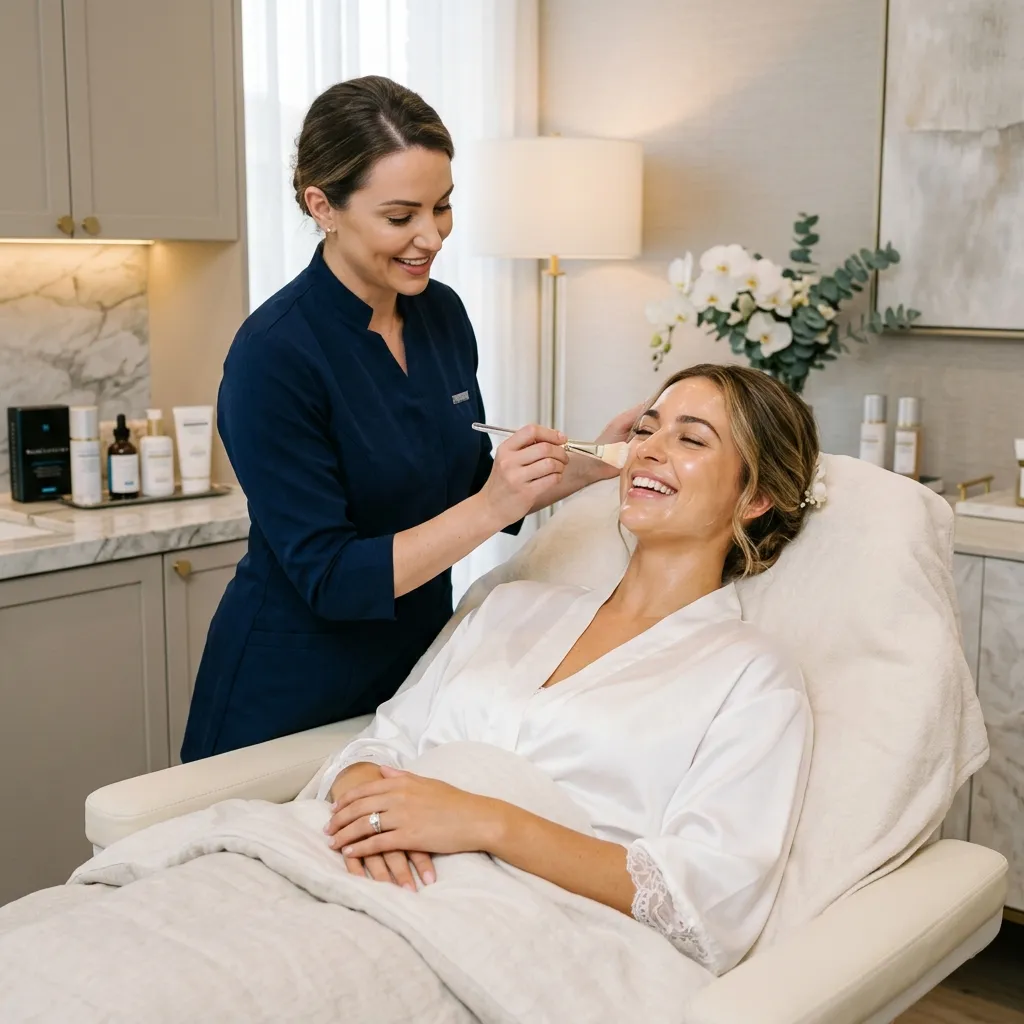
Get a flawless, radiant glow for your big day with our bespoke pre-bridal clinical protocols in just minutes.
Explore Treatment →
Minor procedures. Major impact.
Beyond aesthetic medicine, Krisara Skin Clinic provides a comprehensive range of clinical dermatology procedures. From RF mole removal and wart treatment to sebaceous cyst excision, keloid therapy, and hyperhidrosis management, all procedures are performed in a fully sterile, clinical environment under direct supervision of Dr. Rashmika Reddy. These are not cosmetic parlour procedures — they are medical interventions performed with clinical precision, proper anaesthesia, and documented aftercare protocols.
Medical Disclaimer: The information provided on this page is for educational and informational purposes only. It is not a substitute for professional medical advice, diagnosis, or treatment. Please consult with Dr. Rashmika Reddy before undergoing any treatments or procedures.
In dermatology, the word 'minor' refers to procedure complexity — not to the importance of the outcome to the patient. A small mole removed incorrectly can leave a scar worse than the original lesion. A wart treated superficially will recur. A sebaceous cyst excised without removing the capsule will return. At Krisara, even the smallest clinical procedure is executed with full clinical protocol: proper patient assessment, informed consent, sterile field preparation, appropriate local anaesthesia, clinical technique, and comprehensive aftercare. Dr. Rashmika brings over 7 years of clinical dermatology training to every procedure — ensuring that the outcome is not just technically successful but aesthetically optimal. For every lesion we treat, we document its clinical appearance (with dermoscopy where appropriate), confirm it is benign, obtain consent, perform the procedure with surgical precision, and provide a complete healing protocol. We do not rush, we do not cut corners, and we do not compromise on sterility or technique.
Radiofrequency (RF) cautery uses a high-frequency electrical current to precisely cut and coagulate tissue simultaneously — enabling bloodless, scarless removal of epidermal and superficial dermal lesions. The current is focused at the probe tip, allowing millimetre-precision removal of skin tags, moles, warts, and DPN (dermatosis papulosa nigra) without damaging surrounding skin.
Equipment Used
For lesions requiring deeper excision (sebaceous cysts, lipomas, keloids), a formal minor surgical protocol is used: sterile draping, local anaesthesia, incision, excision with complete capsule removal, layered closure with absorbable sutures (subcutaneous) and non-absorbable sutures (skin), wound dressing, and a complete aftercare protocol.
Equipment Used
Each treatment within Clinical Dermatology addresses a specific aspect of the condition. Click any card to see the full clinical detail, machines used, procedure steps, and aftercare.
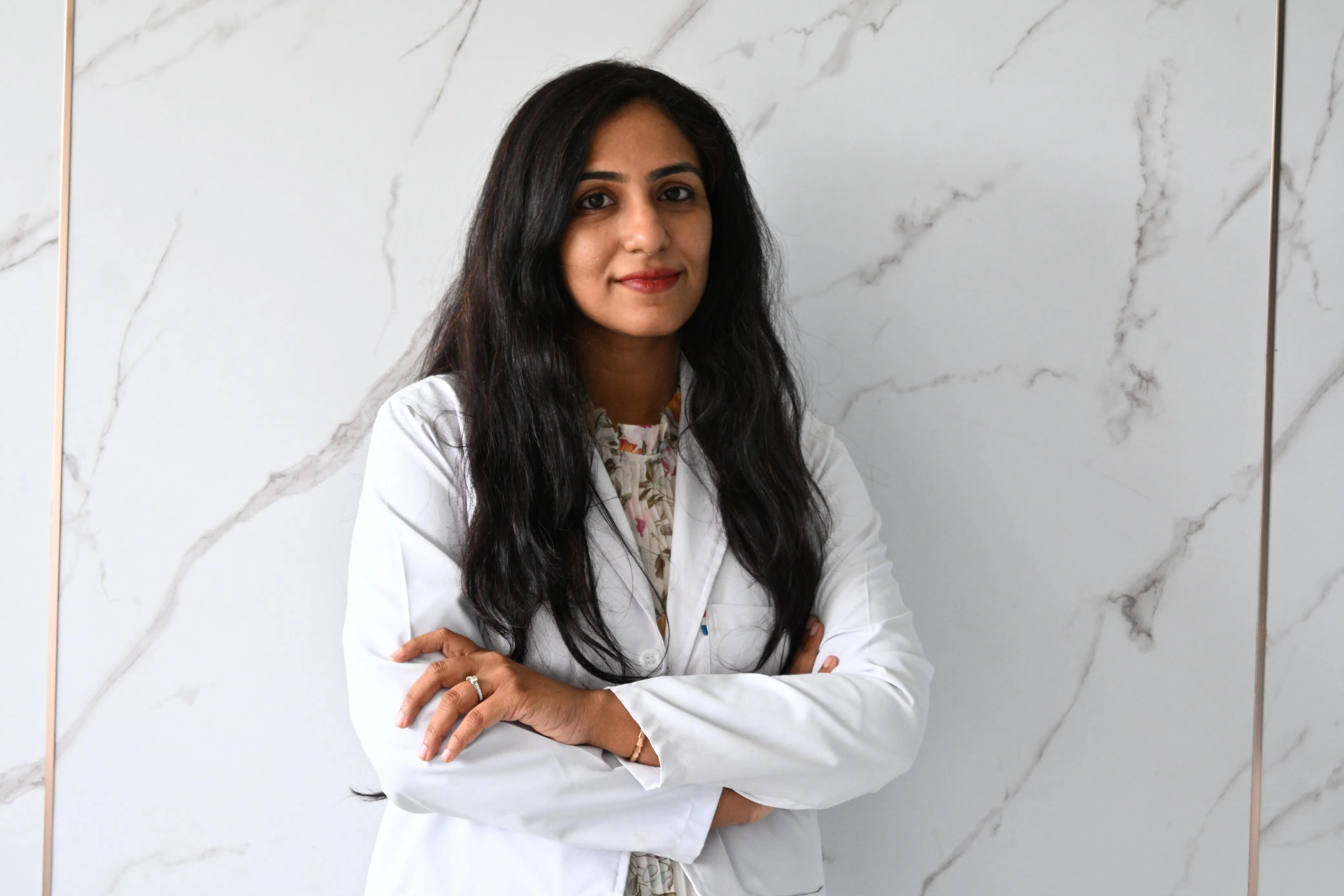
MBBS, MD (DVL) · Consultant Dermatologist, Trichologist & Aesthetic Physician
Dr. Rashmika Reddy is a highly qualified and experienced dermatologist with over 7 years of clinical expertise in diagnosing and managing a wide range of skin, hair, and aesthetic concerns. She is dedicated to providing personalised and evidence-based care, combining advanced machine technology with a deep understanding of Indian skin physiology, hormonal dermatology, and nutritional medicine.
Yes, when performed correctly by a trained dermatologist. At Krisara, every mole is assessed clinically (and dermoscopically if any doubt exists) before removal. Benign moles are removed using RF cautery or shave excision, leaving minimal scarring. Any mole with suspicious features (ABCDE criteria) is biopsied, not simply removed.
Warts are caused by HPV (Human Papillomavirus) and can recur even after successful treatment if the virus persists in the surrounding skin. Cryotherapy or RF cautery removes the visible wart effectively. We typically recommend 2–3 sessions spaced 4 weeks apart to ensure complete eradication and address any satellite lesions.
RF skin tag removal heals very quickly — typically 5–7 days for small tags. The treated area forms a small crust that sheds naturally. Healing is essentially invisible in most patients.
A sebaceous cyst is a sac containing keratin (skin protein) that forms when a hair follicle or sebaceous gland becomes blocked. It has a distinct capsule and a central punctum. A lipoma is a benign collection of fatty tissue without a capsule. Both are benign and treated by surgical excision. Complete capsule removal is critical for sebaceous cysts to prevent recurrence.
Botox (botulinum toxin) injections into the affected area (underarms, palms, soles) block the sweat gland nerve signals, dramatically reducing sweating for 6–9 months. The treatment is reversible but can be repeated indefinitely. It is the most effective non-surgical treatment for primary focal hyperhidrosis and transforms quality of life for affected patients.
Every protocol at Krisara begins with a thorough diagnostic consultation — not a treatment menu. Book your appointment with Dr. Rashmika Reddy today.
Mon–Sat · 10:30 AM – 8:00 PM · Kompally, Hyderabad